
Student Work












Frequently Asked
Questions

ZICA's Digital Photography programme trains students in both the technical and artistic aspects of professional photography. The curriculum covers camera fundamentals (aperture, shutter speed, ISO, exposure, white balance), composition principles, natural and studio lighting setup, portrait, landscape, product, fashion, and event photography, and post-processing in Adobe Lightroom and Photoshop for colour grading, retouching, and final image delivery. Students work in ZICA's dedicated photography studio and on location shoots, building a professional portfolio of diverse photography genres.
Photography is a strong and diversified creative career in India. The digital content explosion — social media, e-commerce, OTT, advertising, fashion, weddings, and corporate communication — has created enormous and growing demand for professional photographers across every sector. India's wedding industry alone is estimated at over ?3–4 lakh crore annually, with wedding photography a premium market. E-commerce product photography, brand content photography, editorial and news photography, and social media content creation are all active and growing photography career paths. Trained photographers with strong post-processing skills are consistently in demand.
ZICA's digital photography curriculum covers: DSLR and mirrorless camera operation, understanding aperture, shutter speed, ISO, and their relationship (exposure triangle), lens selection and focal length choices, metering modes and histograms, natural light photography (golden hour, diffused light), and artificial and studio lighting setup using continuous and strobe lighting systems, reflectors, and diffusers. Students develop technical control of their camera settings for all conditions — the foundation for professional work across all photography genres.
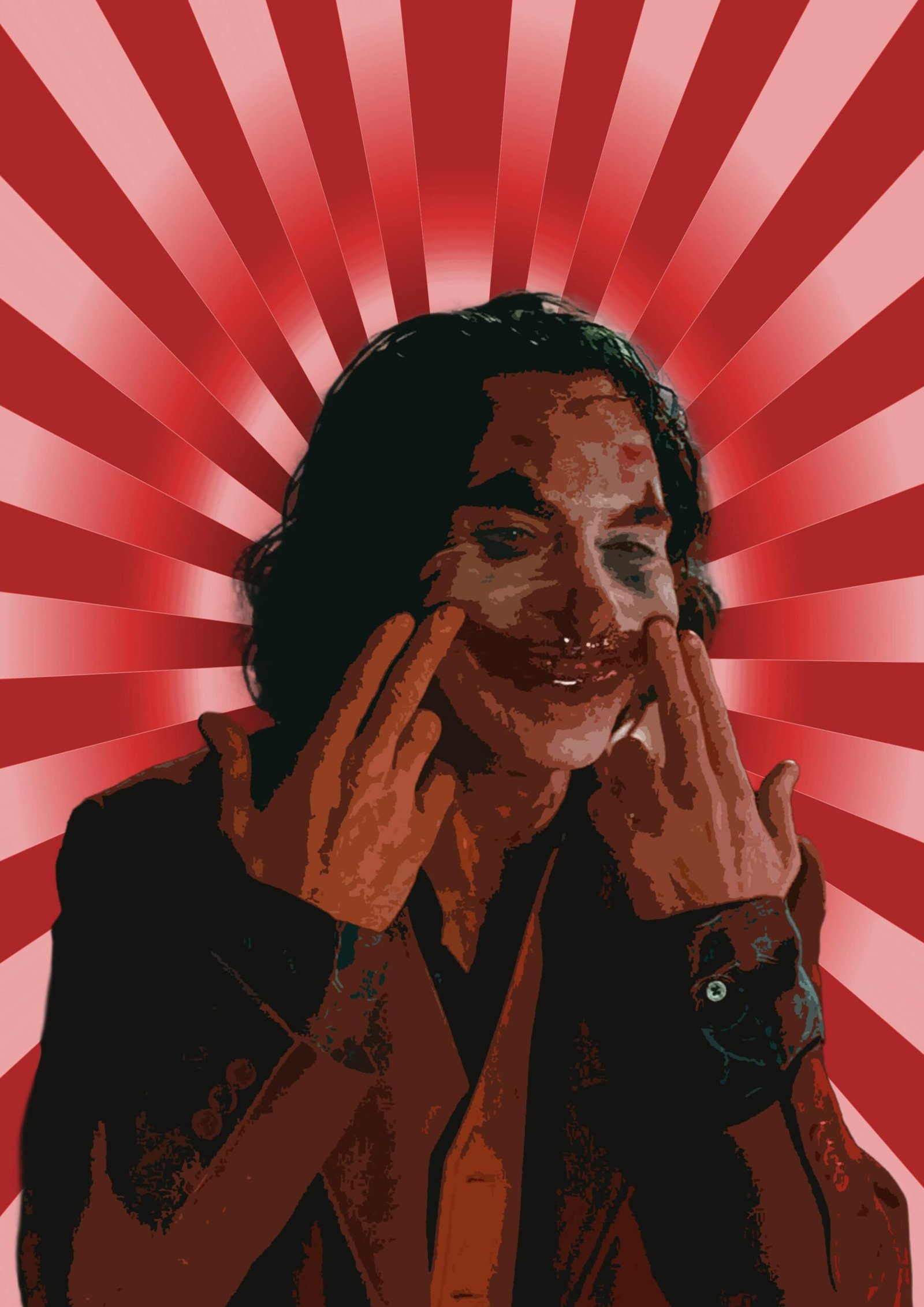
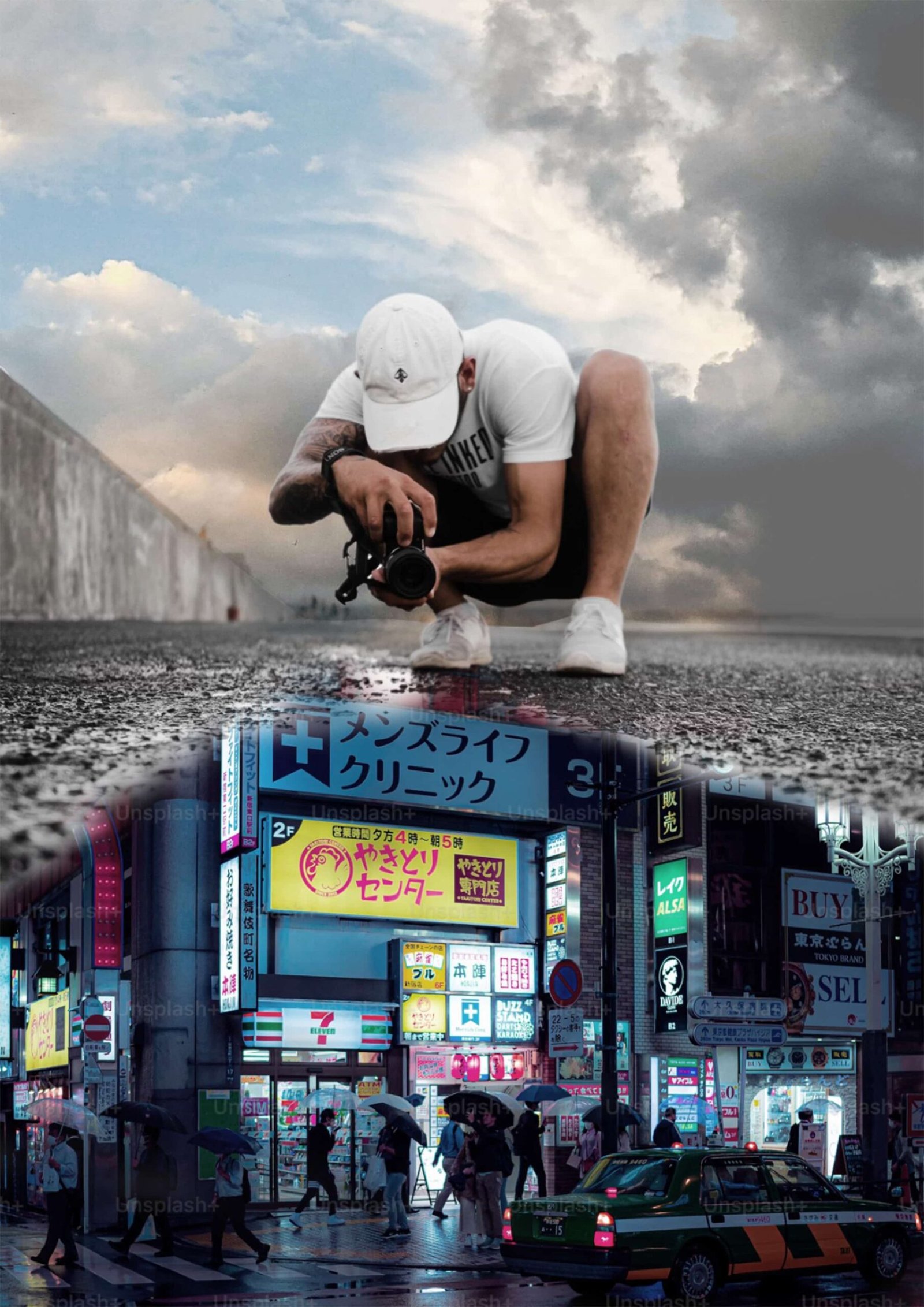
Post-processing isa central component of ZICA's photography curriculum. Students learn Adobe Lightroom for photo library management, basic exposure and colour correction, and batch processing workflows. Adobe Photoshop is covered for advanced retouching — skin smoothing, object removal, compositing, background replacement, and creative effects. Students also learn professional export and delivery workflows — understanding file formats, colour profiles, and resolution requirements for different output media (web, print, social media). Strong Lightroom and Photoshop skills significantly increase the professional quality and client-readiness of a photographer’s work.
Photography graduates pursue careers including Wedding and Events Photographer, Fashion and Editorial Photographer, Product and E-Commerce Photographer, Corporate and Brand Photographer, Photojournalist, Real Estate Photographer, Food and Restaurant Photographer, Wildlife and Nature Photographer, Content Creator (social media), and Photo Retoucher. The freelance market is particularly active — most professional photographers operate independently, building client relationships across multiple photography genres. Studio and agency employment is also available for photographers at advertising studios, e-commerce companies, and media organisations.