

Understanding the psychology of casino players what motivates their behavior
The Allure of Risk and Reward
The psychology behind casino players is deeply intertwined with the concepts of risk and reward. The excitement of possibly winning big is a powerful motivator that drives players to engage in various games. The anticipation of a jackpot or a winning hand creates an adrenaline rush that is hard to resist. This feeling is further amplified by the environments of casinos, which are designed to stimulate the senses and create a thrilling atmosphere that encourages risk-taking. Among these options, many Australian players now turn to playid casino for a more streamlined experience.
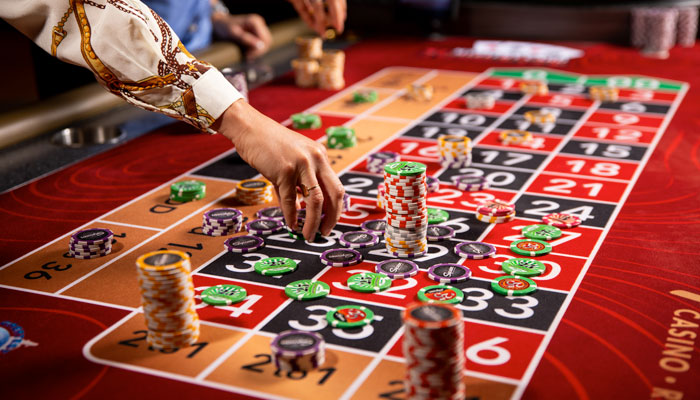
The emotional highs associated with winning can be intoxicating. Players often chase these highs, leading them to return to the casino in hopes of replicating the experience. This behavior is commonly referred to as ‘loss chasing,’ where players feel compelled to keep gambling to recover previous losses or to experience that euphoric moment of winning again. The reinforcement of these feelings can create a cycle of behavior that is difficult to break.
Moreover, the concept of ‘near misses’ plays a significant role in motivating players. When individuals come close to winning, their brains react similarly to actual wins, reinforcing the desire to continue playing. This psychological trick can lead players to believe they are on the verge of a win, prompting them to invest more time and money into the games, further emphasizing the interplay between emotional experiences and gambling behavior.
The Social Aspect of Gambling
Casino environments are not just about the games; they are also social venues where players interact and engage with one another. This social aspect can greatly influence a player’s decision to participate in gambling activities. Many people enjoy the camaraderie that comes with playing alongside others, sharing excitement and disappointment in real time. Social gambling can serve as a bonding experience, adding an extra layer of enjoyment that may not be present when gambling alone.
Furthermore, peer pressure can significantly affect gambling behavior. Friends and family can encourage individuals to gamble, whether through social gatherings at casinos or online gaming sessions. This social influence can lead to higher spending and more frequent visits to casinos, as players may feel compelled to conform to group norms or expectations. The fear of missing out on a social experience can drive individuals to gamble even if they may not have intended to do so initially.
The social networks that develop among casino players can also lead to a sense of belonging. This community aspect can be particularly appealing for individuals who might feel isolated in other areas of their lives. As a result, casinos often promote events, tournaments, and social gatherings to reinforce this community, making the experience more than just about gambling but about connecting with others as well.
The Role of Game Design
Game design plays a critical role in the psychology of casino players. Casinos invest heavily in creating games that not only attract players but also keep them engaged for extended periods. The mechanics of games are often engineered to create an engaging experience, with colorful graphics, enticing sounds, and the thrill of chance. This sensory stimulation can keep players immersed and encourage them to keep playing, often longer than they originally planned.
In addition, the use of rewards and incentives is strategically implemented in game design. Many games incorporate bonus rounds, free spins, and other elements that enhance the experience and keep players motivated. These rewards trigger the brain’s pleasure centers, reinforcing the desire to continue playing. By offering various rewards, casinos can create a sense of achievement, even for small wins, which can further entice players to stay engaged.
The psychology of ‘gamification’ also applies to the design of casino environments. Elements such as leaderboards, achievement badges, and progress tracking are often integrated to enhance competition and social interaction. This competitive aspect can encourage players to gamble more as they strive to beat their peers or reach higher levels of achievement, thereby increasing the casino’s revenue while providing players with a sense of accomplishment.
The Impact of Personal Factors
Individual personality traits and personal circumstances also significantly influence gambling behavior. Factors such as age, gender, and socioeconomic status can impact how and why a person engages in gambling. For example, research indicates that younger individuals are often more impulsive, making them more likely to gamble recklessly compared to older, more cautious players who may take a more calculated approach.
Emotional states can also dictate gambling behavior. For instance, individuals experiencing stress or anxiety may turn to gambling as a form of escapism. This temporary relief can lead to a cycle where gambling becomes a coping mechanism, further entrenching the behavior. Conversely, those in a positive emotional state may view gambling as a fun, recreational activity, which can also influence how much they are willing to spend and how often they play.
Moreover, personal motivations can vary widely among players. Some may seek thrill and adventure, while others might be attracted to the potential financial gain. Understanding these personal factors can help both players and casinos create a more tailored experience, addressing the diverse needs and motivations of different individuals. This personalized approach can enhance the overall gambling experience, encouraging more responsible behaviors and informed decisions.

Innovations in Online Gambling: A New Era
With the rise of online casinos, the psychology of gambling has evolved significantly. Players are now able to engage in gambling activities from the comfort of their homes, altering how they interact with games. This convenience can lead to increased participation, as players are less inhibited when gambling in private settings. The immediate availability of games can also fuel impulsive behaviors, making it easier to gamble without the typical checks and balances present in physical casinos.
The online environment also provides unique social dynamics. Features such as live chat and multiplayer games enable players to interact with each other, creating a sense of community similar to traditional casinos. However, this virtual social interaction can sometimes lack the depth of face-to-face engagement, leading to a different psychological experience. Players may feel a disconnect, which can influence their gambling habits and emotional responses.
Platforms like PlayID E-Wallet exemplify the ongoing innovations in online gambling, streamlining the user experience and enhancing player engagement. By offering seamless payment solutions and secure access to multiple casinos, including the well-regarded playid casino, players can easily manage their gambling activities while enjoying exclusive promotions. Such advancements not only enrich the user experience but also contribute to the overall understanding of what drives players in the evolving landscape of online gaming.